The Hymn of St. John
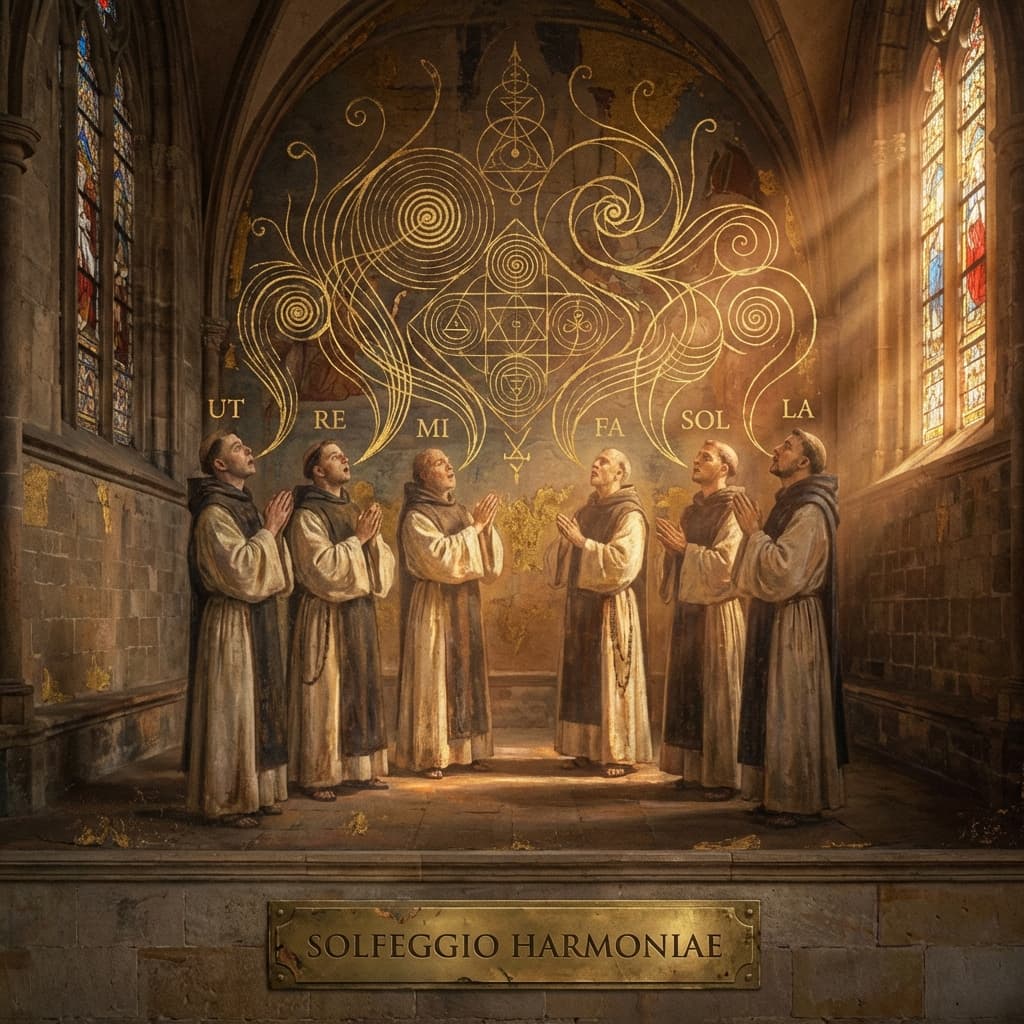
The Solfeggio frequencies are not just a modern new-age concept; their roots trace back to the ancient history of music theory. They are believed to be the original sound frequencies used in ancient Gregorian chants, such as the great hymn to St. John the Baptist.
"Ut queant laxis, resonare fibris, Mira gestorum, famuli tuorum..."
It was Guido of Arezzo, a Benedictine monk in the 11th century, who developed the six-note ascending scale that would become the basis for these frequencies. The original scale was:
- Ut (396 Hz) – Liberating Guilt and Fear
- Re (417 Hz) – Undoing Situations and Facilitating Change
- Mi (528 Hz) – Transformation and Miracles (DNA Repair)
- Fa (639 Hz) – Connecting/Relationships
- Sol (741 Hz) – Awakening Intuition
- La (852 Hz) – Returning to Spiritual Order
The Lost Scale
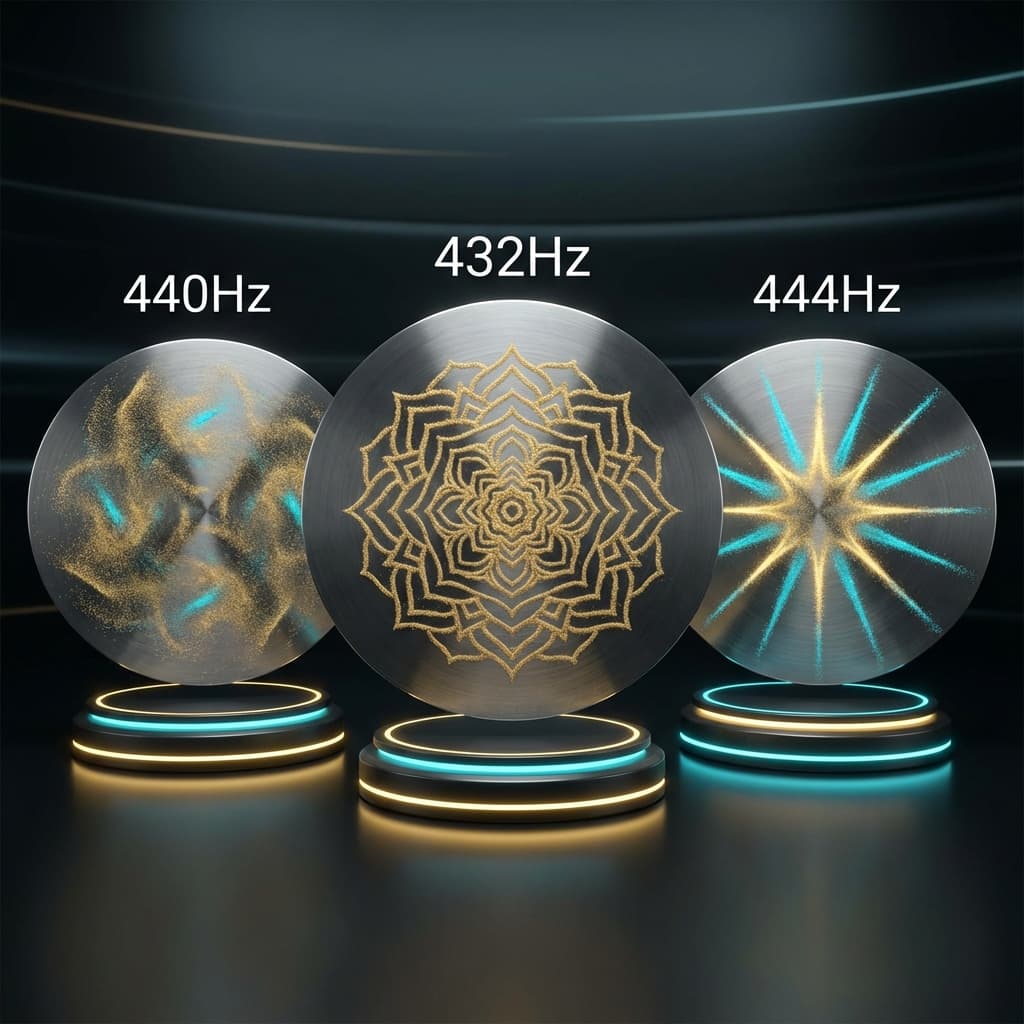
Over centuries, the tuning standards changed. The Catholic Church and modern western music standardized around the "Twelve-Tone Equal Temperament" and, eventually, A=440Hz tuning. Many believe this shift disconnected us from the natural resonance of the universe.
Modern Resurgence
In the 1970s, Dr. Joseph Puleo rediscovered these frequencies using Pythagorean numerology. He identified a pattern in the Book of Numbers (Chapter 7), verses 12-83. By reducing the verse numbers to single digits, he found the series 3, 9, 6; 4, 1, 7; and so on.
Today, these frequencies are used worldwide for sound healing, meditation, and restoring balance to the human biofield.